
Welcome to the classroom! We love to play, learn, create and sing together in the classroom, and we’d like to encourage our classroom friends to keep learning and playing at home once Caitie’s Classroom is over. We’ve put together activities and resources so the playing, learning, creating and singing doesn’t have to stop once Caitie... Read more »
Sort science by theme, show, or song. Or search for what you are looking for.

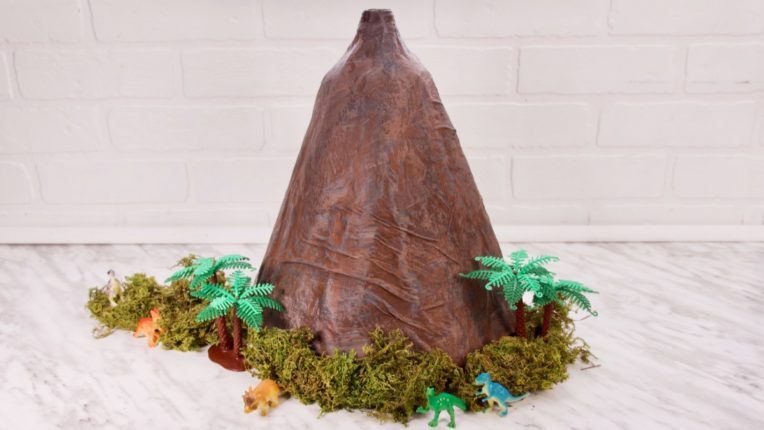
This volcano project uses all four of our primary senses – smell, touch, sight, and hearing. You can tell by using these four senses that this is not something you want to eat, so we won’t be using our sense of taste in this project! But we’ll be able to smell the vinegar, touch the... Read more »

Magnets are really cool. Anything that’s magnetic will stick to them. And because of the invisible magnetic field they produce around themselves, they can make things move without touching them. Here are a couple of neat things you can do with magnets to learn about how they work. But make sure you keep magnets away... Read more »

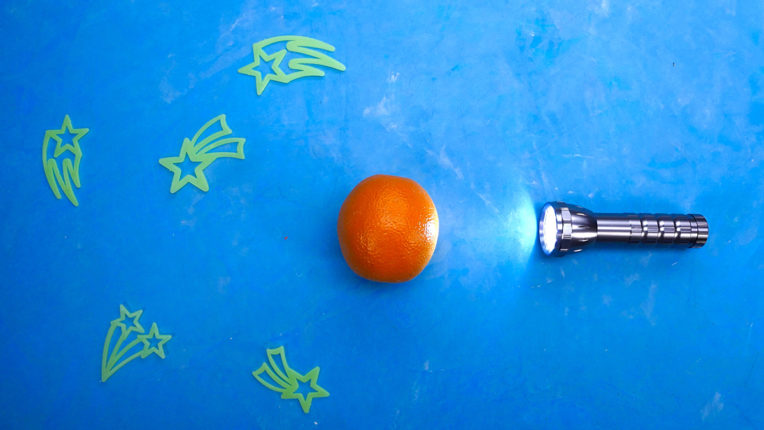
Sometimes the moon looks like a circle, sometimes it looks like a crescent, and sometimes you can’t see it at all. What’s going on? The moon never actually changes shape: it’s always a sphere, like a ball or an orange. But it looks different at different times because of the relationship between the moon, the... Read more »

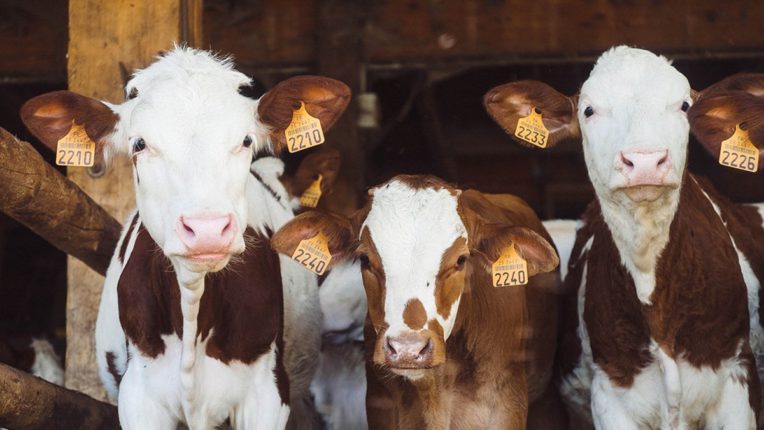
The domestic cow dates back 10,500 years ago in South-East Turkey. Their ancestors were wild Oxen, otherwise known as Aurochs. There are almost 800 different breeds of cow worldwide. The most well-known ones are the dairy cows that produce milk, as not all cows do. The Holstein cow is known to make the most milk... Read more »
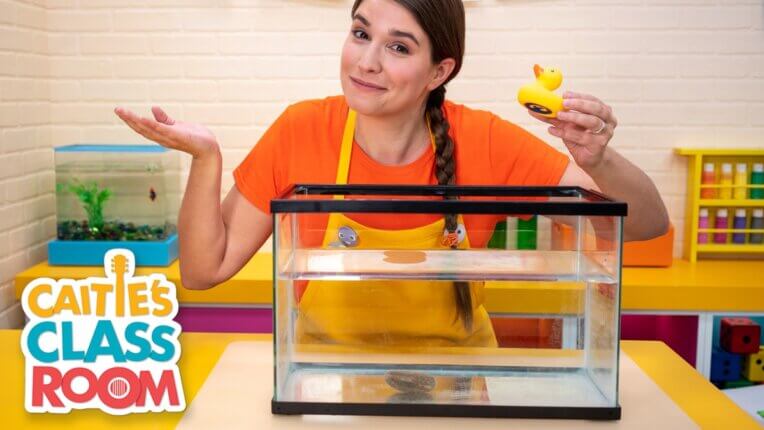
Join us in this science-packed episode as we try and answer the question on everyone’s mind…will it SINK? Or…will it FLOAT?

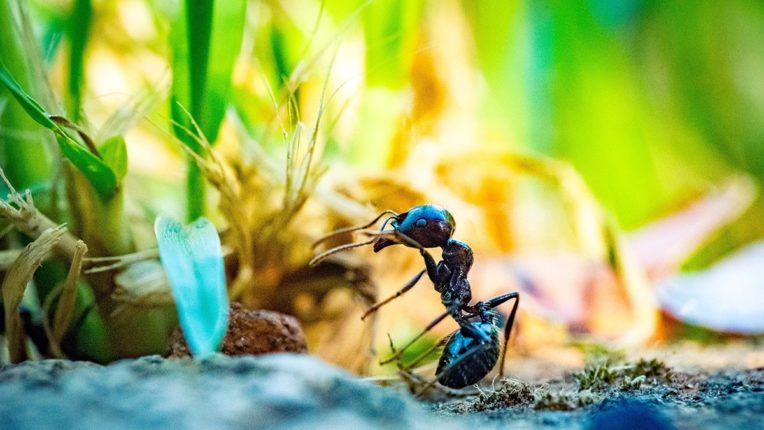
Ants are insects, like grasshoppers, beetles, and butterflies – they have three body segments, six legs, and two antennae, and the hard part of their body is on the outside. Unlike most insects, ants live and work together in huge teams called colonies. A colony can have hundreds or thousands of ants, and different ants... Read more »

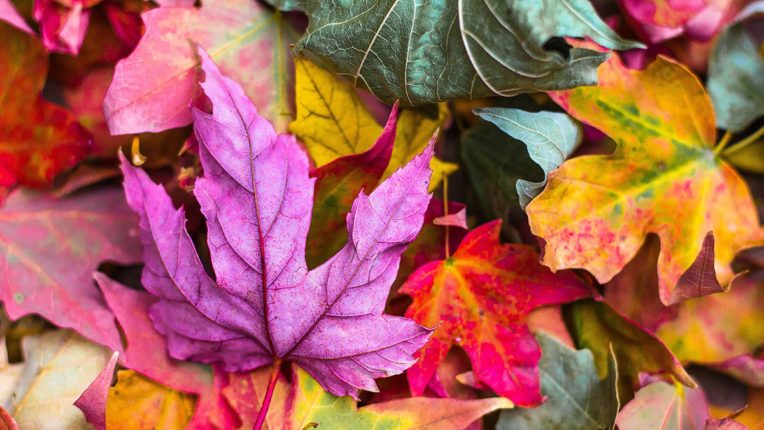
Every fall, I look forward to the beautiful colours as the green leaves on the trees change to yellow, orange, brown, and red. But why does this happen? To understand why leaves change colour, you need to understand why they’re green to begin with. Most colours in living things are caused by chemicals called pigments.... Read more »

‘Then she filled up her cauldron and said with a grin, “find something everyone! Throw something in!”’ – Julia Donaldson, Room on the Broom Depending on where you live, Fall/Autumn has fallen on the land. The nights draw in, the sweaters and thermals have been retrieved from the back of the cupboard and the pumpkin... Read more »

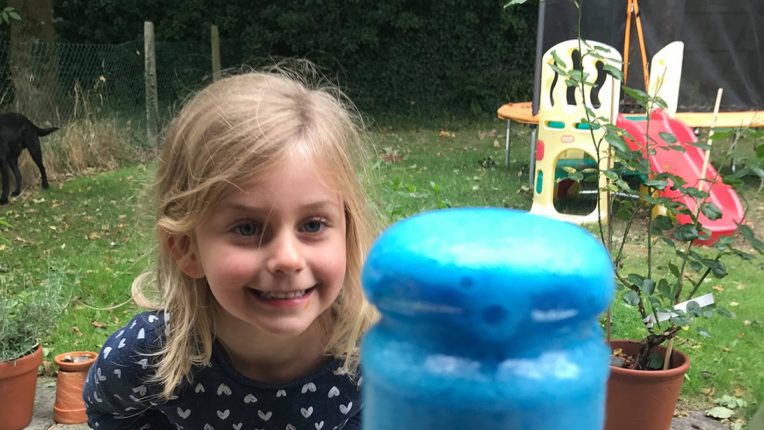
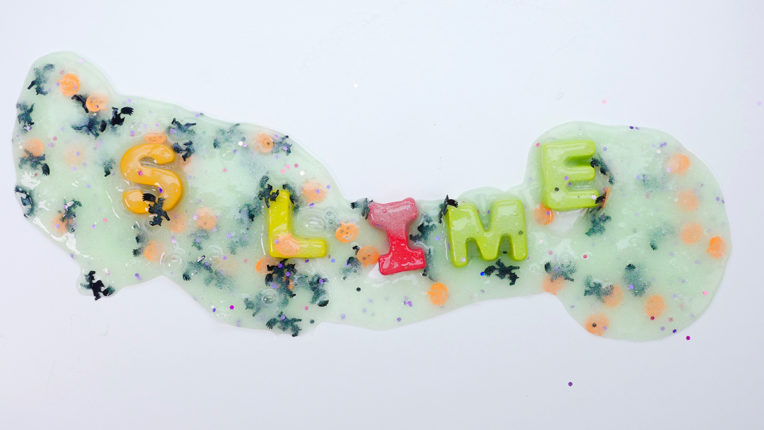
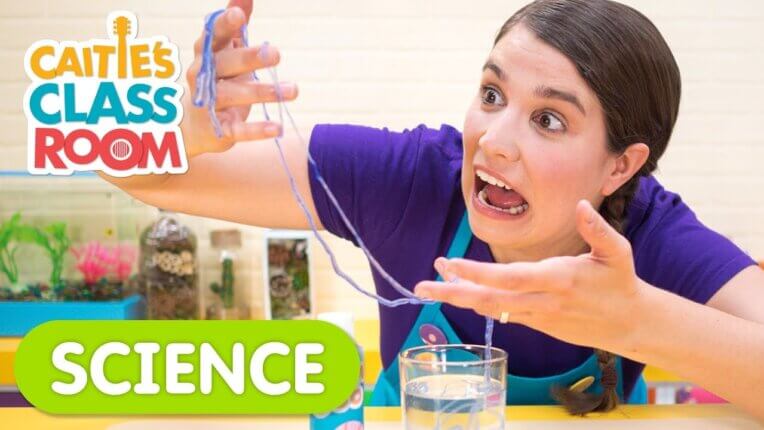
Milk and juice are liquids: they flow, and they don’t hold their shape. Wood and rocks are solids: they hold their shape, and they don’t flow. But slime is different. When you pour it, it flows like a liquid. But when you squeeze it or slap it, it feels like a solid. All the stuff... Read more »

Ready to see something amazing? Watch and learn how to make these gooey worms!

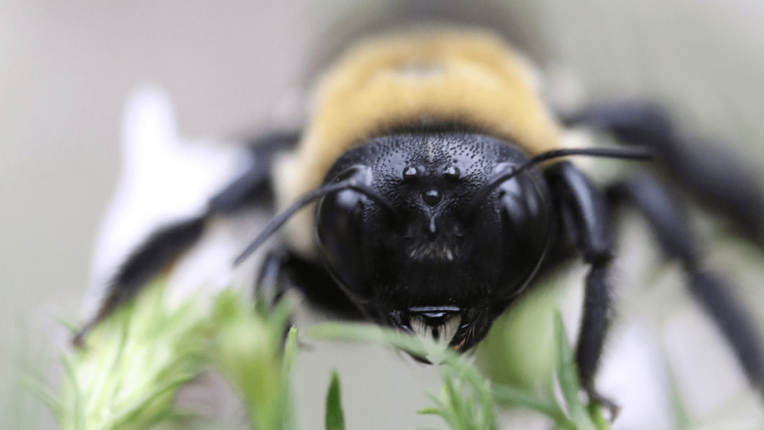
First things first. Some Biology. What is a bee? They are flying insects that are extremely important for humankind and are closely related to ants, wasps, and hornets. There are almost 20,000 species of bee on the planet. Every land surface apart from the Antartica have bees. Bees are crucial for pollination of our flowers,... Read more »

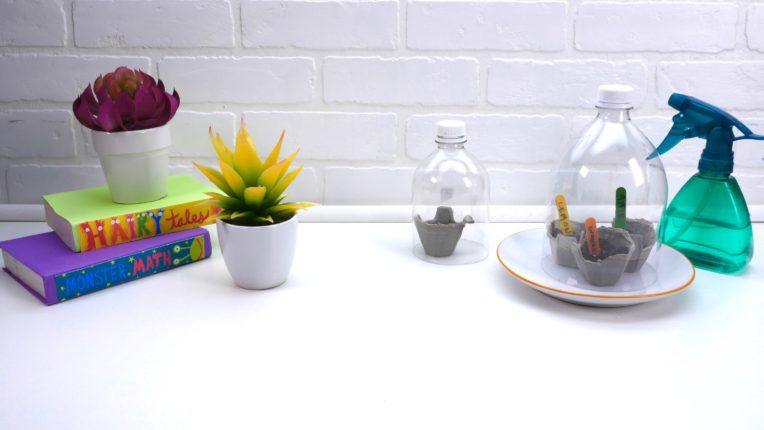
People buy a lot of bottled water. But the trouble is that the bottles are used only once, and then thrown away. Here’s an activity where you can use a bottle again, to make something good happen. You need: Clear plastic bottle, any size Egg carton Soil Spoon ( to mix and scoop soil) Spray... Read more »

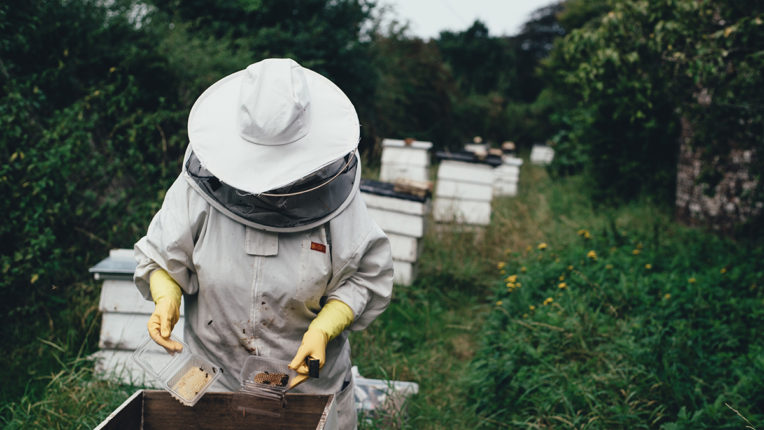
Today is World Honey Bee Day! To celebrate, here is a DIY solution to help a distressed bee get back to business. We’ve also got ten fun facts you might not have known about bees! Revive-A-Bee-Solution You can often see bees not moving for a really long time. Wrong misconception may lead to the assumption... Read more »

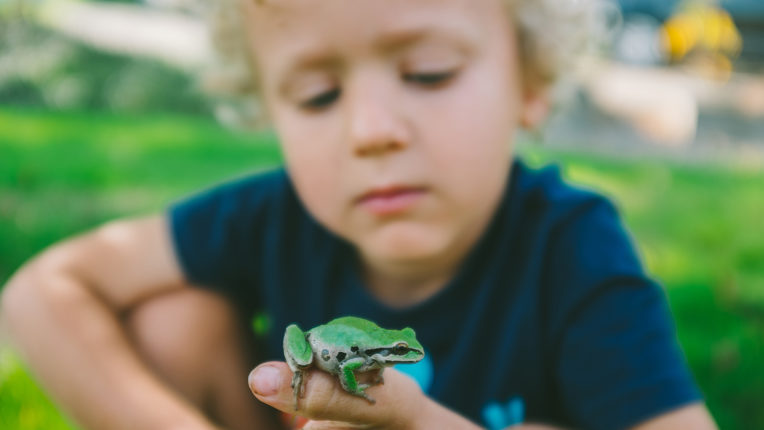
You know what frogs look like: they have bulging eyes, webbed feet, long legs for hopping, and often a long tongue for catching flies. But when they’re babies, called tadpoles, they look completely different! They have no legs, but a long tail for swimming and they can breathe underwater like fish. This total change from... Read more »

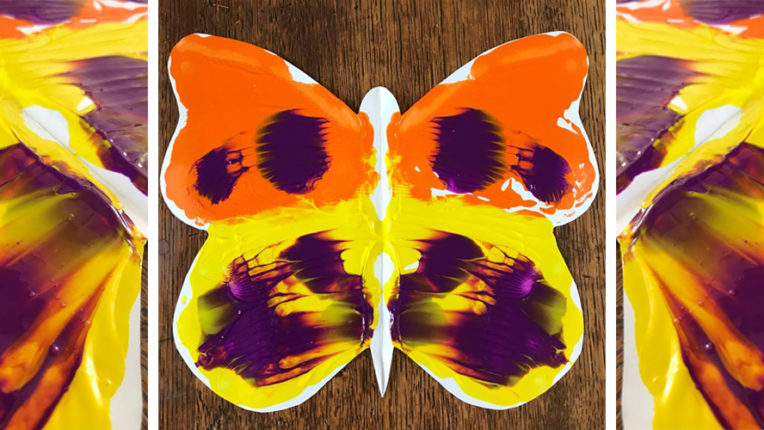
What is symmetry? Symmetry is when two parts of a whole are exactly identical. Something is symmetrical if you can draw a line down it and each side looks the same. This is called the Line of Symmetry. Take for example a heart. It has one line of symmetry. If you were to put a... Read more »

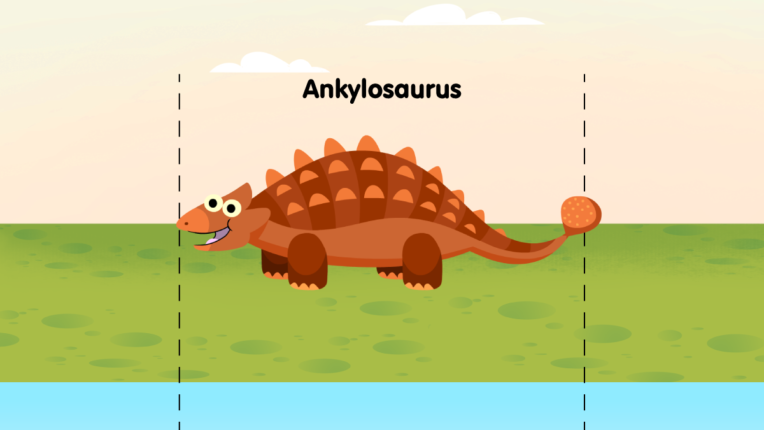
Dinosaurs are a very diverse group of animals: there were many, many different kinds, with different sizes, shapes, diets, and habitats. Books will tell you how big a dinosaur was, but it’s hard to actually picture. Here’s an activity that will help you get an idea of just how big (or small) different kinds of... Read more »

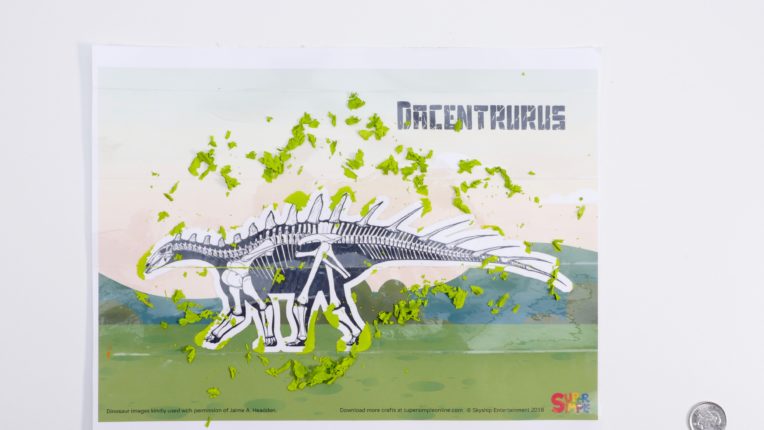
Dinosaurs used to be living animals, with muscles, organs, scales, and feathers. But nowadays, almost all that’s left of them are the hardest parts of their bodies: their bones. Here’s a fun activity where you can scratch away a dinosaur to reveal the bones underneath. You need: Printouts of these PDF files (outline templates) Scissors Clear... Read more »

Winter can be a hard time for animals. It’s cold, and it’s hard to find food. Some animals, like bats and bears, solve this problem by sleeping through the winter. Other animals, especially birds, solve the problem by migration – moving to somewhere warm for the winter, then coming back in the spring. If you... Read more »

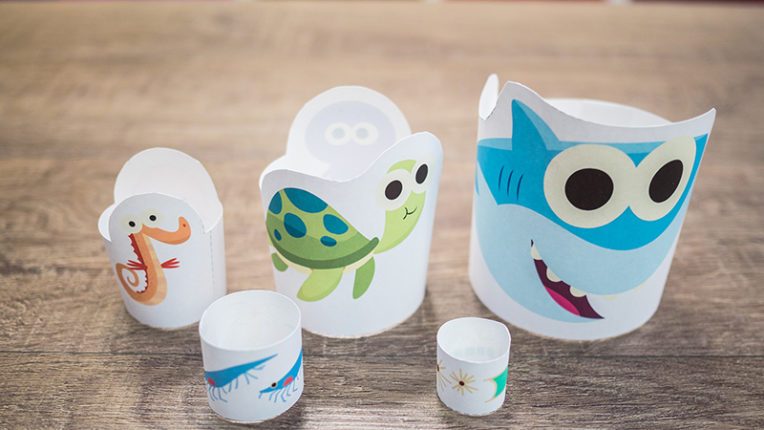
When the Sailor Went to Sea, she saw lots of animals, some of which eat each other. Here’s an activity inspired by Russian nesting dolls to show you who eats whom. You need: this PDF, printed out scissors glue or tape Cut out the templates and glue or tape them into rings. Now they... Read more »